
How Is Industrial Inspection Drone Transforming Modern Infrastructure Monitoring?
2026-06-24
In recent years, the rapid evolution of unmanned aerial technology has reshaped the way industries manage inspection tasks. Among these innovations, the Industrial Inspection Drone has become a critical tool for energy, construction, transportation, and utility sectors. It replaces traditional manual inspection methods with safer, faster, and more cost-efficient aerial solutions. Companies are now leveraging drones to access hard-to-reach areas, reduce operational risks, and improve data accuracy in real time. One of the key players contributing to this transformation is Tianjin Weide Aviation Technology Co., Ltd., a professional manufacturer focusing on advanced UAV solutions for industrial applications.
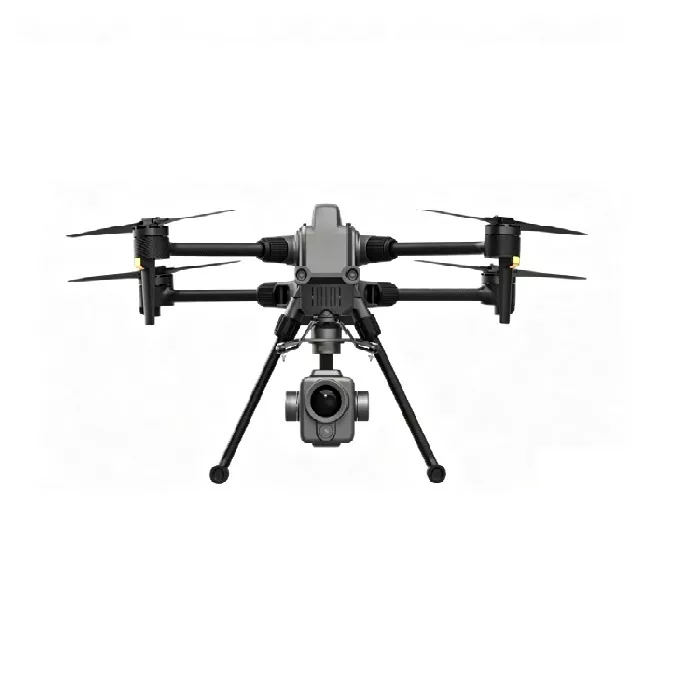
1. What Is an Industrial Inspection Drone?
An Industrial Inspection Drone is a specialized unmanned aerial vehicle equipped with high-resolution cameras, thermal imaging sensors, LiDAR systems, and real-time data transmission modules. Unlike consumer drones, these machines are designed for harsh environments such as wind farms, oil pipelines, power grids, and bridges.
Their core purpose is to perform detailed inspections without requiring human workers to physically access dangerous or difficult locations.
2. Key Advantages of Industrial Inspection Drone Technology
Industrial inspection drones offer multiple advantages compared to traditional inspection methods:
- Enhanced Safety: Eliminates the need for workers to climb towers or enter hazardous zones
- High Efficiency: Reduces inspection time from hours or days to minutes
- Data Accuracy: Provides high-resolution visual and thermal data for precise analysis
- Cost Reduction: Minimizes labor and equipment costs
- Real-Time Monitoring: Enables instant data transmission and decision-making
3. Industrial Inspection Drone vs Traditional Inspection Methods
| Feature | Industrial Inspection Drone | Traditional Inspection |
|---|---|---|
| Safety Risk | Very Low | High |
| Inspection Speed | Fast (minutes to hours) | Slow (hours to days) |
| Data Quality | High-resolution + thermal imaging | Limited visual data |
| Cost Efficiency | Long-term cost saving | High labor cost |
| Accessibility | Hard-to-reach areas | Requires scaffolding or climbing |
This comparison clearly shows why industries are rapidly shifting toward drone-based inspection systems.
4. Core Applications Across Industries
The Industrial Inspection Drone is widely used in multiple sectors:
- Power Industry: Inspecting transmission lines and substations
- Oil & Gas: Monitoring pipelines and offshore platforms
- Construction: Evaluating building structures and progress tracking
- Transportation: Inspecting bridges, railways, and highways
- Renewable Energy: Wind turbine blade inspection and solar panel maintenance
Each application benefits from improved safety and data-driven decision-making.
5. Essential Features of a High-Performance Inspection Drone
To meet industrial standards, a professional-grade inspection drone should include:
- Long flight endurance (30–60 minutes or more)
- Stable GPS and obstacle avoidance systems
- Thermal imaging camera for heat anomaly detection
- High zoom optical camera for detailed inspection
- Strong wind resistance and weather adaptability
- Secure data transmission and encryption
These features ensure reliable performance even in complex environments.
6. Workflow of Industrial Drone Inspection
A typical inspection mission using an Industrial Inspection Drone follows these steps:
- Mission Planning: Define inspection route and objectives
- Pre-Flight Setup: Check battery, sensors, and calibration
- Data Collection: Drone captures images, videos, and thermal data
- Real-Time Transmission: Data sent to ground control station
- Analysis & Reporting: Engineers analyze findings and generate reports
This streamlined workflow significantly improves operational productivity.
7. Industry Impact and Future Development
The adoption of Industrial Inspection Drone technology is driving a major shift toward intelligent infrastructure management. With the integration of AI and machine learning, future drones will not only collect data but also automatically detect faults such as corrosion, overheating, and structural damage.
This evolution will further reduce human intervention and improve predictive maintenance capabilities across industries.
8. Why Businesses Choose Professional Drone Solutions
Enterprises prefer working with specialized manufacturers because they require:
- Customized UAV configurations
- Industry-specific payload integration
- Reliable after-sales technical support
- Scalable drone fleet solutions
As a trusted UAV provider, Tianjin Weide Aviation Technology Co., Ltd. delivers tailored Industrial Inspection Drone systems designed for demanding industrial environments, ensuring both performance and durability.
Conclusion
The Industrial Inspection Drone is no longer just an innovative tool—it is becoming a standard in modern industrial operations. Its ability to enhance safety, improve efficiency, and deliver precise data makes it indispensable for infrastructure management and industrial maintenance.
Whether used in energy, construction, or transportation, drones are redefining how inspections are performed worldwide.
If you are looking for advanced and reliable UAV inspection solutions, contact us today to learn more about customized Industrial Inspection Drone systems and professional support services.